PhD projects are available in various areas of materials science where atomistic structure determination is required. The projects are essentially experimental in nature, with focus on applying TEM techniques; however there is much scope for collaboration with chemists, materials modelling experts and materials engineers. Our recent publications, mainly but not all on aluminium alloys, provide a good idea of PhD research in our group.
Specific projects and project areas currently available include:
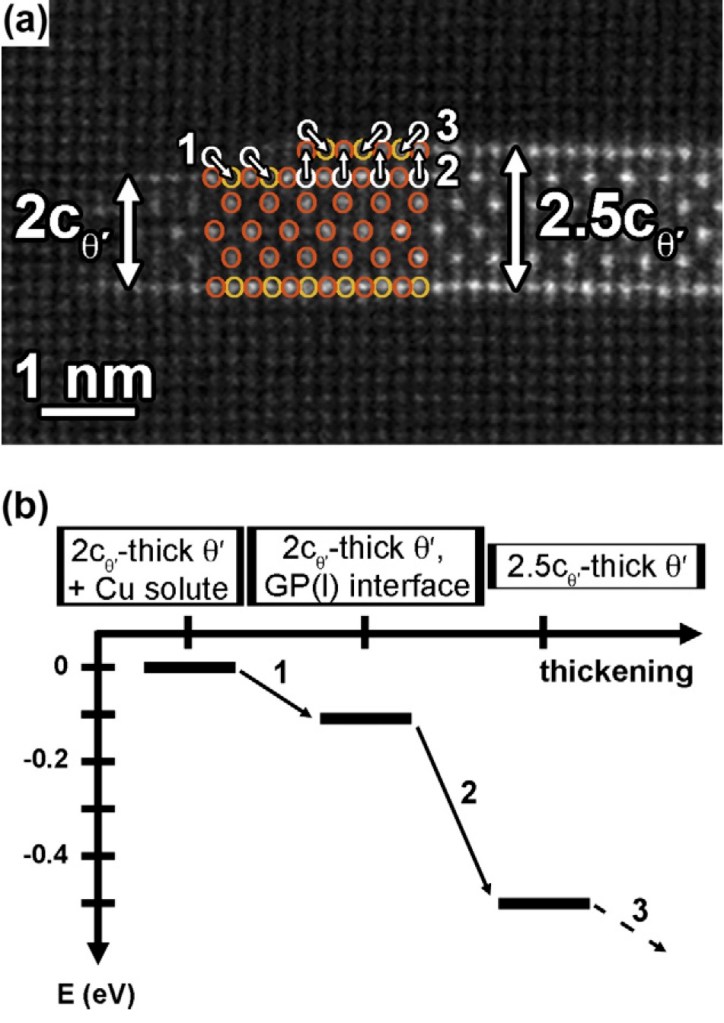
Atomic-scale mechanisms of precipitation in alloys (with A/Prof. Nikhil Medhekar, Computational Materials Laboratory and A/Prof. Matthew Weyland)
There are several PhD projects on different alloy systems, with experimental or modelling focus.
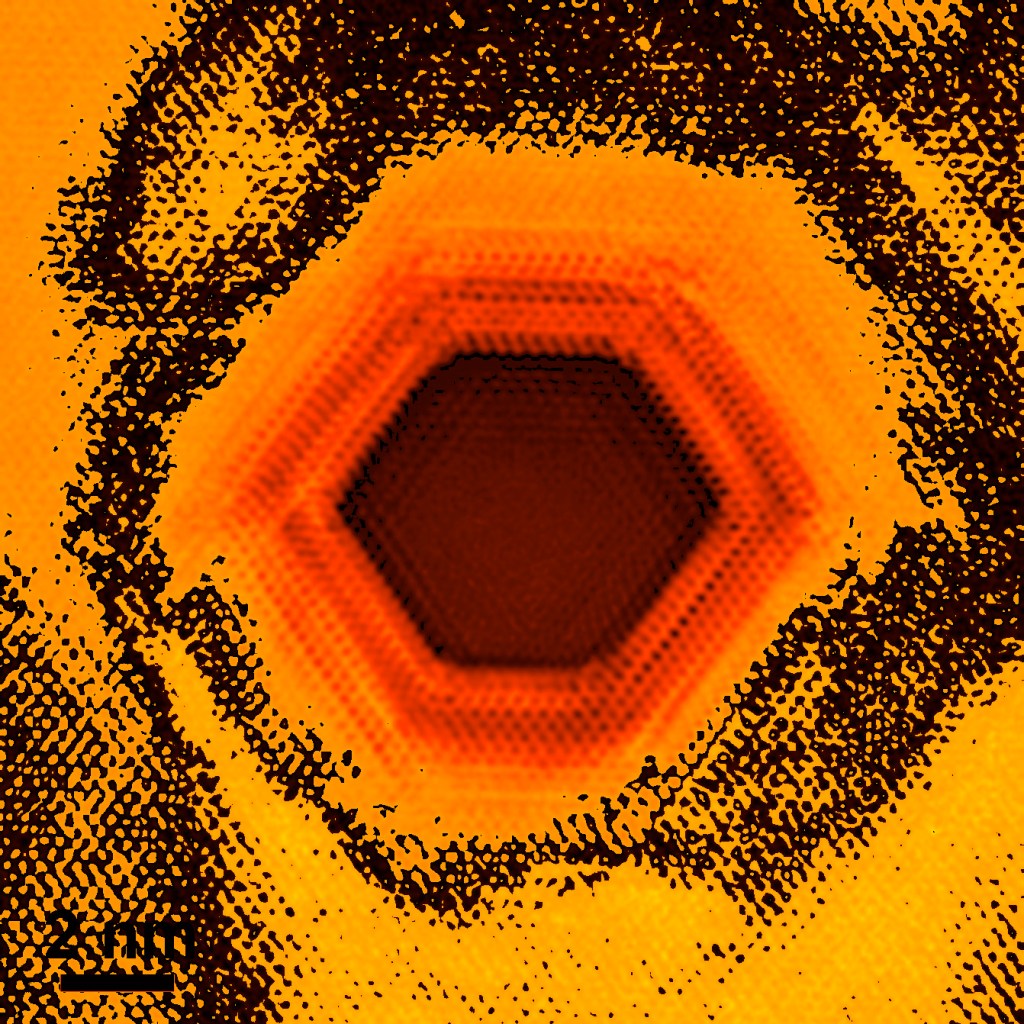
Effect of microalloying additions on the stability and evolution of voids in aluminium (with A/Prof. Philip Nakashima, see webpage). This project will look at the relationship between the void surface structure and chemistry and how voids grow under different heating or mechanical conditions. The project will involve a variety of transmission electron microscopy techniques (imaging, diffraction, spectroscopies, in situ) and processing of aluminium alloys.

Plasmonics of designer anti-nanostructures (with A/Prof. Philip Nakashima and Prof. Joanne Etheridge). This project will look at designing and building nanochannel configurations in thin TEM specimens of aluminium and characterising their plasmonic response through electron energy loss spectroscopy.
- Electronic structure of voids and solid-state precipitates in alloys (led by A/Prof. Philip Nakashima).
- The role of short-range ordering on strain localisation in binary alloys (led by Prof. Michael Preuss). This project will focus on Ti-Al, Ni-Al and Ni-Ti alloys (simplified versions of superalloys used in the aerospace industry) and use a range of diffraction and microscopy techniques to characterise short-range ordering.
Any interested candidate is strongly encouraged to consult the Monash Graduate Research website.
 Laure Bourgeois Research Group